Denza D9 and Z9GT: What to Check at BYD’s India Debut
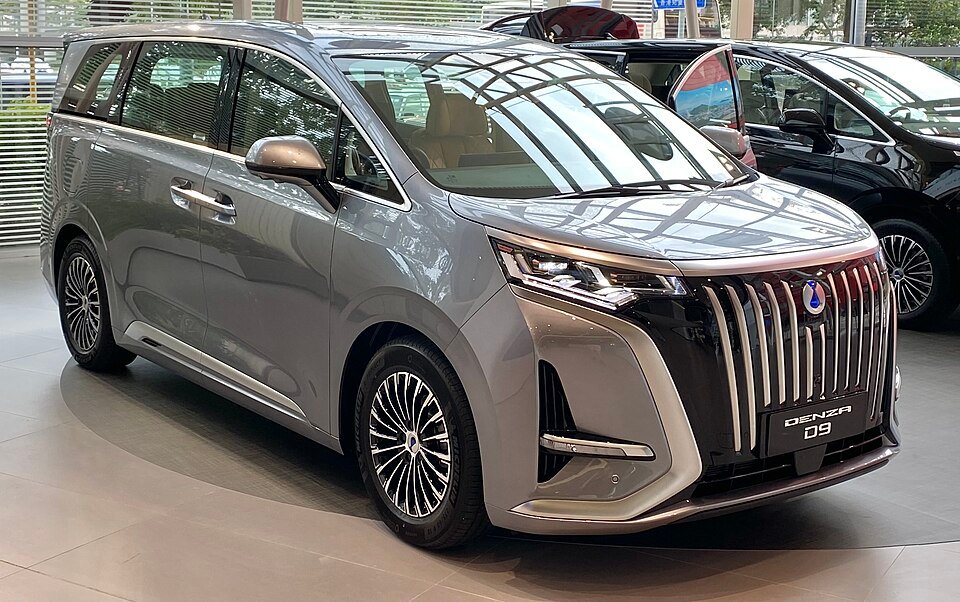
The Denza D9 and Z9GT are the two models to watch as BYD’s premium brand prepares for its India unveiling on November 13. The D9 is a people carrier aimed at buyers who care about rear-seat space. The Z9GT is a grand tourer with a long, low shooting-brake body. Autocar India reported the November 13 debut date and identified both as expected models. Indian prices, deliveries and final equipment need confirmation from the local launch.
BYD’s global Denza announcement introduced the Z9GT and D9 DM-i as its first global models. That gives buyers a starting point for understanding what each vehicle does. Use the local specification sheet to establish which version is actually being offered in India.
Denza D9 and Z9GT serve different buyers
For the D9, start by deciding who will use the third row. A family with two adults in back on every trip will want to check entry, headroom and how much luggage fits with those seats up. Someone buying a chauffeur-driven car may care more about how far the second-row seats can recline and whether there is enough space to open the doors in a tight parking bay. Ask the dealer to demonstrate the seating layout that comes on the quoted trim.
For the Z9GT, sit in the driver’s seat and check the view at junctions and while reversing. The longer roofline of a shooting brake can make for a more useful luggage area than a conventional saloon shape, but usable space depends on the opening and floor as much as the quoted capacity. Bring the bags or equipment you regularly carry if you get a chance to inspect the car.
Why the India powertrain matters
BYD presented a plug-in hybrid D9 DM-i in its global announcement. The D9 name is also used on battery-electric versions in other markets. Those two setups call for different questions. With a plug-in hybrid, ask how the electric-only range was measured and what servicing the petrol engine requires. With a battery-electric model, ask for the local battery specification and rated range, and check whether the car can charge on the equipment available near home and work.
The European Z9GT release describes a battery and charging setup for that market. Before comparing a published charging time with another car in India, look for the battery percentage window, charger output and equipment needed to reach it. A peak charging figure gives little guidance if the chargers on your usual route supply less power.
On a long trip, the more useful question is how long a planned stop will take. Compare the local charger map with the route you actually drive, then check the power and connector at two plausible stops. Consider what happens if the first one is occupied or out of service. A backup stop can matter more than a small difference between two cars’ advertised ranges.
What to ask before making a booking
Get the variant name, final on-road cost and booking terms in writing. Ask which service centres can handle the car and where it would go if it needed a high-voltage repair. For a battery-electric version, confirm battery warranty terms, whether a home charger is included and what the dealer will inspect before installation. Buyers in an apartment can also check with their building about permission and the available electrical load.
A brand unveiling can establish which cars are coming while leaving deliveries and service coverage to later announcements. If you are comparing other vehicles on the same shopping timeline, see Bootpoot’s November car launches in India. The official India paperwork is what ultimately determines the powertrain, equipment and support you are buying.
Archive photo by User3204, CC BY-SA 4.0. Resized.