Hyundai Bayon India Buying Guide and Test Drive Checklist
The Hyundai Bayon India launch took place on 26 October 2026, with a starting ex-showroom price of ₹9,99,900. Hyundai announced a 1.5-litre petrol engine and a choice of six-speed manual or intelligent variable transmission. If you are looking at the Bayon this November, start by getting a written quote for the trim you can actually test. The launch price, the demonstrator and the vehicle available for delivery can represent three different configurations.
Hyundai Bayon India specifications to confirm
Hyundai lists 115 PS and 143.8 Nm for the petrol engine and quotes 505 litres of boot capacity. Its India launch announcement identifies six airbags, electronic stability control and hill-start assist among the standard features. It also describes available connected features and driver assistance. Check the equipment sheet for the exact variant on your quote before assigning a value to those features.
Ask the dealer to label each item as standard, optional or unavailable on that variant. Write the answers beside the trim name and transmission. The exercise is particularly helpful when two offers use different accessory packages or the showroom has only a high-specification car to demonstrate.
Compare manual and iVT on a route you recognise
Ask for a drive that includes a slow turn, a short incline and a stretch where the traffic flows freely. If you frequently drive through crowded neighbourhoods, take time to assess visibility, steering and pedal effort at low speed. If the car will spend weekends on the highway, use a legal, appropriate stretch to see how comfortably you can join faster traffic.
Try both transmissions if possible and make notes immediately afterwards. In the manual, pay attention to where the clutch engages and how naturally the lever moves between gears. In the iVT, check how the car responds when you lift off and apply power again in slow traffic. Comfort here is personal and depends on the driving you actually do.
Test the cabin with your usual passengers
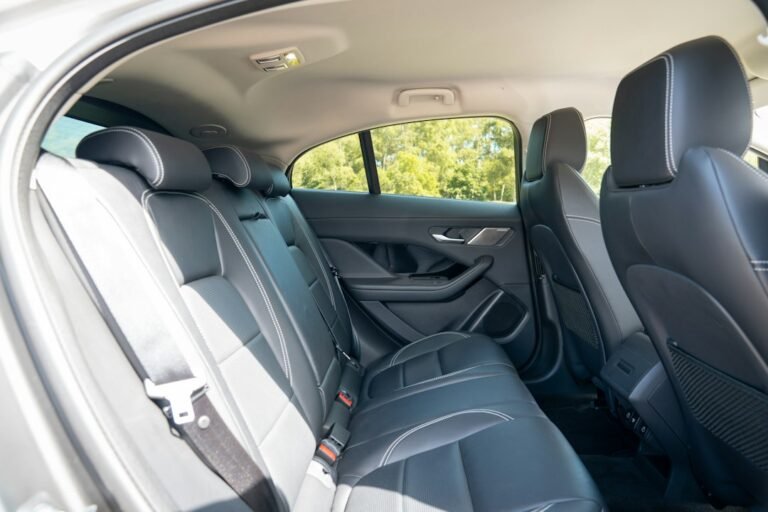
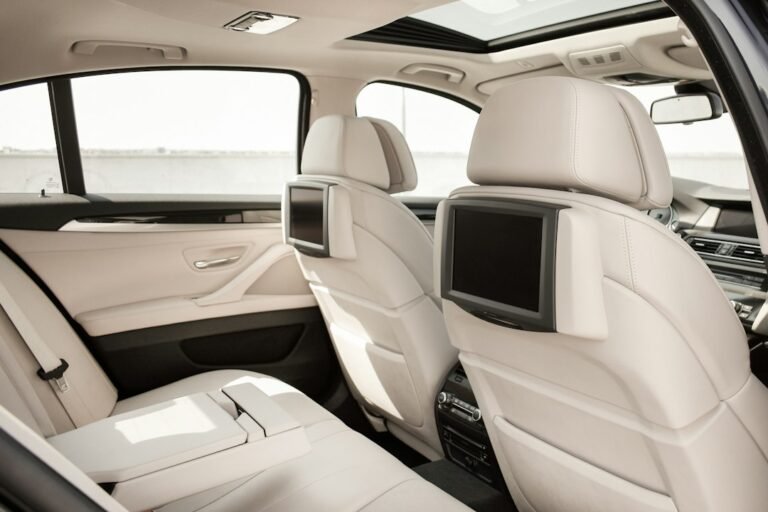
Set the front seats the way you would for a longer journey. Have another adult sit behind the driver and get in and out a couple of times. A seat that feels generous before the front seat is adjusted may be less comfortable on a real trip. Check the view out of the rear window and whether the person sitting in the middle can use the belt comfortably.
Bring one of the bags you use every week and try lifting it into the boot. A volume figure does not tell you how much effort it takes to get a heavy suitcase over the loading lip. For a child seat, take the manuals and ask whether you can test the fit with permission.
Ask for a demonstration of the controls
Pair your own phone with permission and try a route or call while parked. Check the controls you use repeatedly, including temperature, demisting and audio. If you are buying a trim with driver assistance, ask where the system’s limits are explained and how to recognise its alerts. These functions require an attentive driver and should be demonstrated on an appropriate route.
When discussing safety, distinguish Hyundai’s equipment specification from an independent test result for the exact model. Bootpoot’s Bharat NCAP ratings guide explains how to compare adult and child protection scores when a relevant result is available.
Make the last comparison on paper
Ask for the ex-showroom price, registration, insurance, accessories and any finance charges separately. Write the expected delivery date on the same sheet and check the booking and cancellation conditions. Take the quote home and compare it with the cost of the car you would otherwise buy. The features that worked on your drive deserve more weight than equipment you would rarely use.
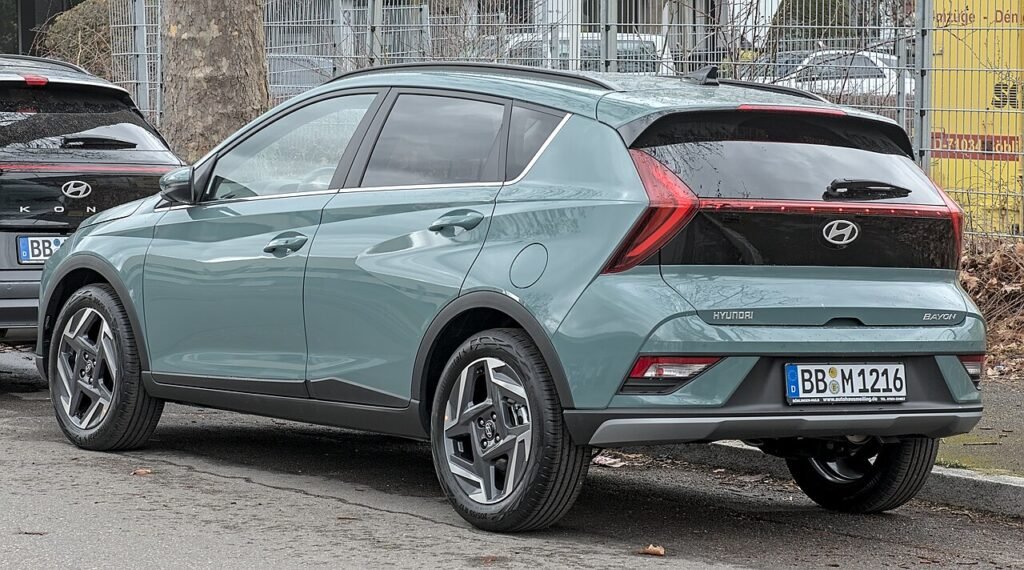
European-market Hyundai Bayon, reference photograph. Alexander Migl, Wikimedia Commons, CC BY-SA 4.0.