Renault Kiger Global NCAP Result: What the 4 Stars Cover
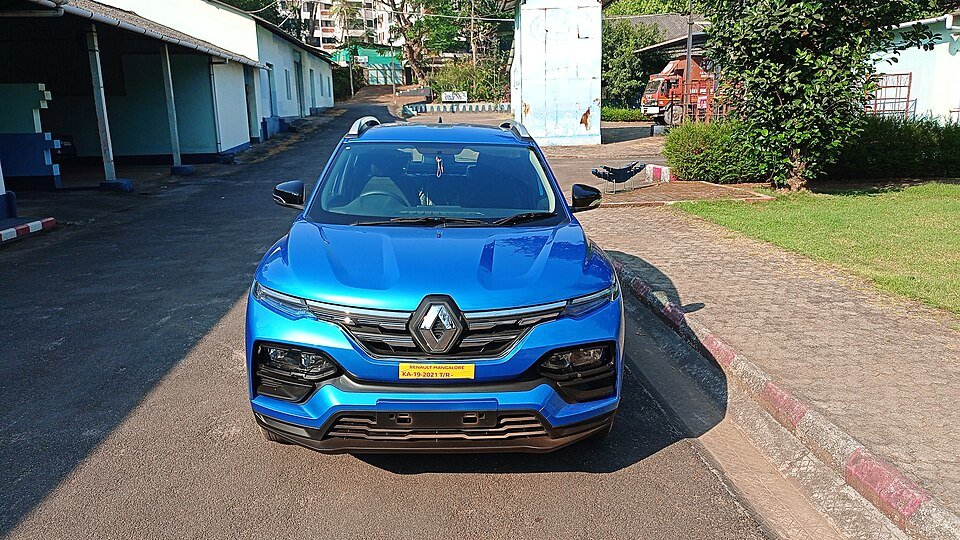
The latest Renault Kiger Global NCAP result is four stars for adult protection and three for child protection. The tested car was the updated six-airbag, Indian-built Kiger assessed for the South African market. The earlier two-airbag version in the same programme earned two adult stars and one child star.
Global NCAP published both results on November 10 under its Safer Cars for Africa programme. The biggest thing for an Indian buyer to check is which equipment comes on the exact car being quoted. The market, build and safety specification are part of a crash result.
What changed in the Renault Kiger Global NCAP test
Global NCAP initially picked a Kiger with two standard airbags and without electronic stability control or ISOFIX. Renault subsequently made six airbags, electronic stability control and ISOFIX standard on the updated model and submitted it for voluntary testing. Global NCAP also says the updated car met a pedestrian protection regulation and its seat-belt reminder requirements.
Each of those changes does a different job. Side airbags add protection in a side collision. Electronic stability control helps manage a loss of control before a crash. ISOFIX gives compatible child restraints dedicated attachment points. The score comes from an assessment of the car and its equipment together. The agency’s report gives a fuller picture than the number on a badge.
Where the six-airbag Kiger still lost points
Global NCAP rated both the footwell and bodyshell unstable in the frontal test of the updated Kiger. A door opened during the side impact, costing points. In that test, protection was good for the head, abdomen and pelvis, with adequate chest protection. The separate side-pole assessment found marginal chest protection.
The child result also deserves its own look. The 18-month-old dummy received full protection in the frontal and side tests. The three-year-old dummy’s head contacted the interior in the frontal test, and head exposure in the side test meant it received no side impact points. The difference between those two results is one reason to read the child score alongside the adult one if you regularly carry young passengers.
For a quick comparison, write the adult and child scores in separate columns. Put the tested airbag count and market beside them. This keeps an older test result from getting mixed up with a newer specification and makes it easier to explain why two listings for the same model name show different stars.
What to check if you are buying in India
Ask the dealer for the current India brochure or equipment sheet and the model year of the car available for delivery. Confirm the number of airbags, the availability of stability control, ISOFIX seating positions and seat-belt reminders on the quoted trim. If you already own a child seat, bring it to the showroom and check its compatibility against both the seat manufacturer’s instructions and the car manual.
Do the same check on a used Kiger. A car first registered recently can have an earlier build date, and a dealer’s listing may omit safety equipment. Check the documentation and ask the seller to show the relevant fittings in the actual car. Global NCAP lists a VIN cutoff for the South African test result. Use that cutoff when reading the African result, and ask Renault India to confirm the equipment on an Indian-market VIN.
When comparing cars, identify the testing programme and protocol as well as the star count. Bootpoot’s Auto coverage includes other safety and buying guides. For this Kiger, the four adult stars capture a real improvement in the tested specification. The separate child score, open door in the side test and unstable frontal structure explain why the underlying report is worth reading before drawing a conclusion.
Archive photo by Premkudva via Wikimedia Commons, CC BY-SA 4.0. Resized.