GIFT Nifty Trading Hours: How to Read the Overnight Quote
The GIFT Nifty trading hours fall within NSE International Exchange’s expanded market window, which runs from 3:15 a.m. IST to 2:45 a.m. IST the next day on scheduled trading days. The exchange introduced that overall window on November 2. An overnight futures quote tells you where a contract was trading at a particular time. The Nifty 50 cash index has its own opening and can move differently.
The NSE IX announcement describes 23 hours and 30 minutes of market operations and says the aim was to cover more of the Asian, European and American trading day. The overall hours give the boundaries of the market window. For a particular contract, use the exchange’s circulars and holiday notices to check session breaks and any special schedule.
GIFT Nifty trading hours and the NSE cash opening
The domestic NSE’s market timings page puts the regular equities session at 9:15 a.m. to 3:30 p.m. IST on trading days. GIFT Nifty futures can be trading when that regular session is closed. If you look early in the morning, verify whether the number on your screen belongs to the new session or was last updated during the previous one.
The simplest check is to read the timestamp alongside the quote. A label such as live or overnight can survive even when a screen shows delayed data or the last traded price from a closed session. Also look for the expiry month. Two widgets with the same index name can display different contracts, which may explain a difference between the numbers you see.
Why a futures quote and the cash index differ
The cash index reflects the shares that make up the Nifty 50. A futures price reflects where market participants are willing to trade a contract for a particular expiry. The difference between those two levels is known as the basis. Time to expiry, financing and expected dividends can all matter. Comparing a futures level directly with a previous cash close can mix that existing gap with a fresh move.
Suppose a futures contract was quoted at 25,100 and is now at 25,150. The change for that same contract is 50 points. If the cash index last closed at 25,060, subtracting that figure from the latest futures quote gives 90 points. The extra 40 points were already present in this example before the futures price moved. The numbers are illustrative and are not live prices.
Another useful comparison is how much the same futures contract has moved since the domestic cash market closed. Record the futures quote near that close and compare it with the latest one in the morning. A quote taken several hours later can incorporate overseas news, so write down the time for both observations. This is a way to describe the overnight move without implying it sets the opening price in Mumbai.
What to check when reading the Monday quote
Check that the data is for the same contract at both timestamps. Around an expiry, a market page may switch which month it displays as the main quote. A comparison across the switch may partly reflect the difference between the contracts. Then check the timestamp and the exchange calendar. NSE IX publishes its own trading holiday list.
Once the domestic market opens, use the cash index for the actual opening level. Overnight headlines can give context for what moved while the domestic session was closed, and fresh orders can affect the cash open. For another scheduled item on the economic calendar, see Bootpoot’s October WPI release guide. The wholesale price release and an overnight index quote answer different questions and are read on different timetables.
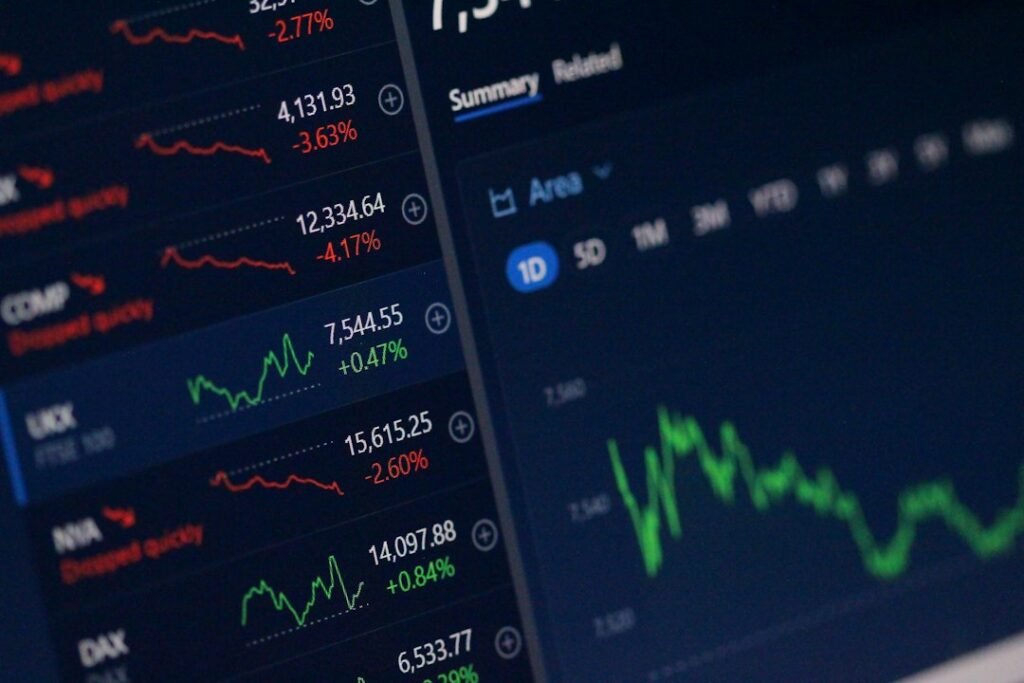
Illustrative photo by Anne Nygård on Unsplash.