Bharat NCAP Ratings Explained: How to Compare Car Safety in India
Bharat NCAP ratings help you compare how well cars protect adults and children in crash tests. When a car ad says it has five stars, the useful next step is to open the crash-test result. Bharat NCAP publishes results for vehicles tested under India’s programme. Each result gives you more to work with than a number in a brochure, including separate adult and child protection information. The official vehicle safety ratings list is where to look up the car you are considering.
Bharat NCAP ratings: Check the exact car
Find the make, model and year, then open the result and the fact sheet if one is available. Check which variants the result covers. A car with a familiar name can be sold with different equipment over time. If you’re comparing a dealer’s offer with a result, write the full variant name from the quote next to the model in the fact sheet. Ask the dealer to clarify any difference before you rely on the advertised rating.
Check the source of the stars too. Bharat NCAP and other programmes have their own protocols and publish results for the markets they test. A rating from a different country can provide context, but the local model and safety equipment are what you’ll buy. Compare like with like whenever the results are available under the same programme.
Read the adult and child scores separately
Adult occupant protection describes the adult assessment under the test programme. The child rating relates to the child assessment and restraint setup used. If you carry children regularly, open that part of the report and look for information about the child restraints and seating positions used in the test. Ask the dealer to show you the seating positions approved for your restraint in the owner’s manual.
Use the scores as a prompt to ask practical questions. Can your child seat be fitted securely without moving the front passenger seat too far forward? Can another person reach the rear belt buckle with the seat in place? Can you see the indicators or feel the attachment click as the seat manufacturer describes? A good showroom visit gives you time to check those points without a salesperson fitting everything for you.
Safety equipment you can check in person
Ask for the variant’s specification sheet and compare it with the delivered car. Find the seat belts and head restraints for the seats people will use. Look at the labels on the sun visor and the instructions in the manual. If there are driver assistance features, ask for a parked demonstration of how to tell when they’re active. Learn where the settings are before trying them on the road.
On a test drive, pay attention to visibility and low-speed control. See how far you can look over your shoulder and how clearly you can see pedestrians near the front corners. Use mirrors and turn your head even if the car has cameras. These observations can help you choose a vehicle you’re comfortable manoeuvring in your own neighbourhood.
How to use stars in your shortlist
Put the crash result beside the version, price and equipment on your shortlist. If a car has no result on the Bharat NCAP site, record that as an unknown and compare the evidence that is available. A test measures defined scenarios under a protocol. Your own use adds factors such as restraint fit, passenger mix and how often you carry a full load.
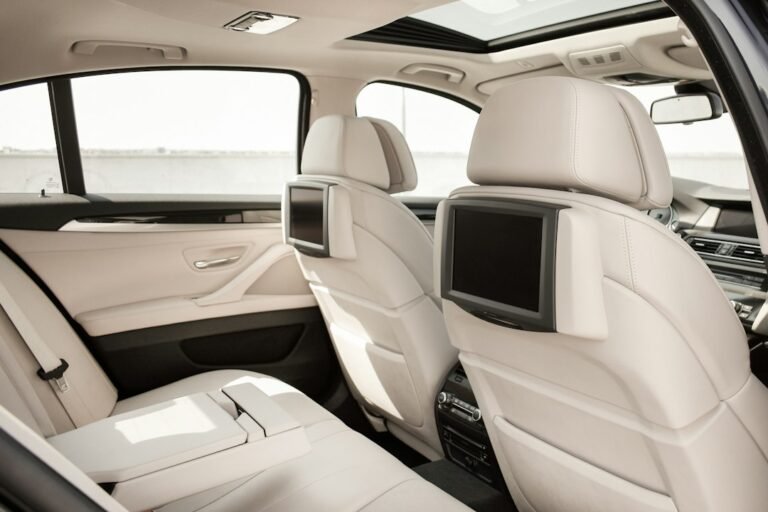
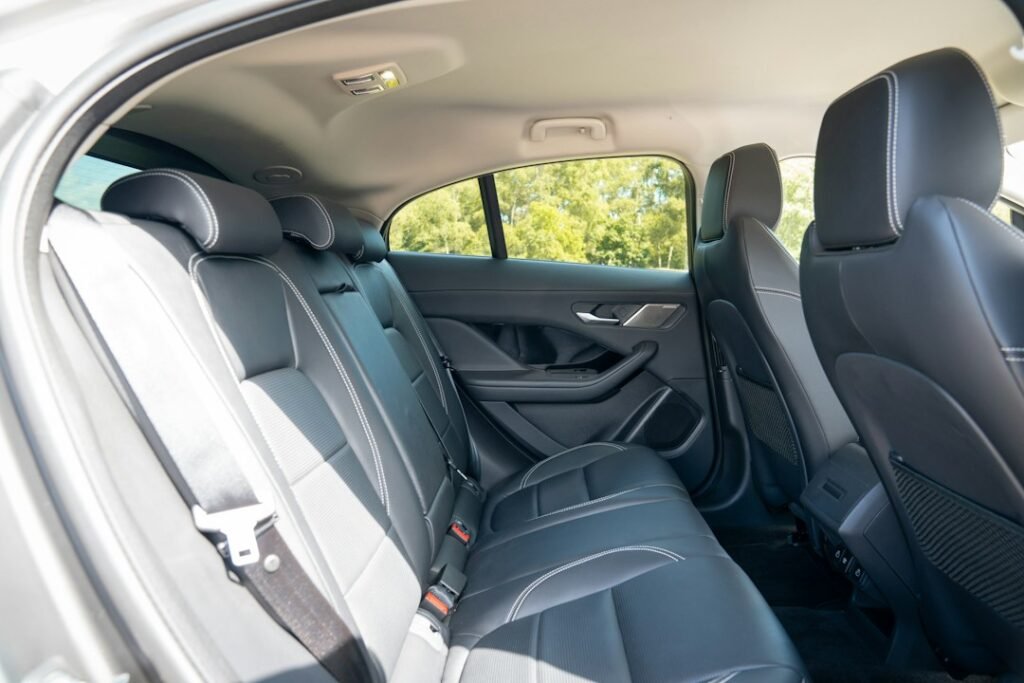
For a family shortlist, try doing the same ten-minute inspection in each car. Sit in the rear seat, check the relevant child restraint positions, work the belts and review the fact sheet. Two results that looked almost interchangeable in a search snippet can lead to different choices once you know which variant, which family members and which journey you’re buying for.
Illustrative photo by Autotrader UK on Unsplash.
Read next: the Mahindra XEV 9S test-drive checklist.