EV Home Charging in India: What to Check Before You Buy an Electric Car
Before buying an electric car, look at the place where it will spend the night. A reserved parking space near your electricity supply can make charging a routine task. A rented bay two levels away, with no agreed way to run a cable, may require more work than choosing the car itself. Start with a survey and a written quote while you still have time to compare vehicles.
Start with the parking bay
Work out which spot the car will use and where its charging port will sit. Some cars place the port near the front, others near the rear. If you have to park nose-in because of the way the ramp is laid out, a short cable could be awkward. Walk the route with the installer. Check how the equipment and cable will sit without crossing a walkway or a neighbour’s space.
In an apartment, ask the resident association or facilities manager who can approve the installation and how common areas can be used. Take a simple sketch of the proposed route. Identify who controls the meter, who will pay for the electricity and who can access the equipment. If you rent, clarify what happens to the installation when you leave. Getting these decisions in writing helps later if the facilities team changes.
Choose charging power around your routine
A larger charger is useful only if the car and the electrical supply can use it. Start with the energy you need to replace on a typical day. Suppose you normally drive 40 kilometres and your car uses about 15 kilowatt-hours per 100 kilometres. That works out to about six kilowatt-hours of energy used on the road. Charging losses mean the meter will record somewhat more. A driver who covers that distance can often replenish it during a long overnight parking window without needing the highest charging power the car supports.
Use your own numbers, since an SUV in heavy traffic and a small hatchback on an easy commute can give different results. Think about the busiest day of the week as well. Someone who makes two long trips on consecutive days may value a faster home setup more than a driver who mostly makes short journeys and parks for twelve hours every night.
What to ask the installer to put in the quote
Ask a qualified installer to assess the electrical supply and follow the carmaker’s installation requirements. Have them identify the equipment, cable route, protective devices, mounting work and the cost of any electrical upgrades. Ask who will test the completed installation and who handles warranty calls. Never improvise a cable run or assume a convenient extension lead can handle the load.
Compare a dealer’s included installation with the site-specific quote. The package may cover the charging unit and a short run of cable, while your building requires a much longer route. Check whether taxes, civil work, commissioning and an extra visit are included. Ask whether the building expects a separate meter or has a shared charging plan you can join.
Can you manage with public charging?
If home installation isn’t practical, spend a week looking at public stations when you would actually need to charge. Check the connector, opening hours, access and pricing. Look for an alternative site nearby. A charger that fits neatly into your weekly shopping stop could be useful. One that requires a long detour every few days adds time to owning the car.
The Bureau of Energy Efficiency’s e-mobility resources provide background on charging infrastructure in India. Use your building’s requirements, the vehicle manual and the installer’s assessment for your final plan. Before placing a booking, aim to know where you will plug in, who has approved the work and what the full installation will cost.
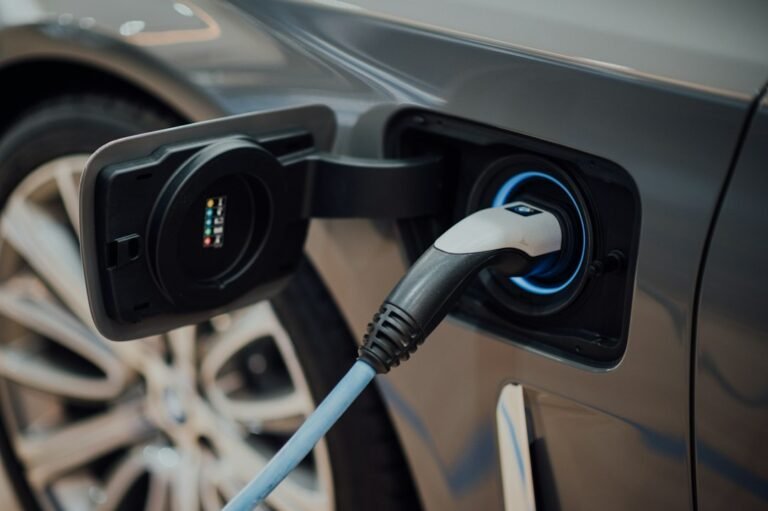
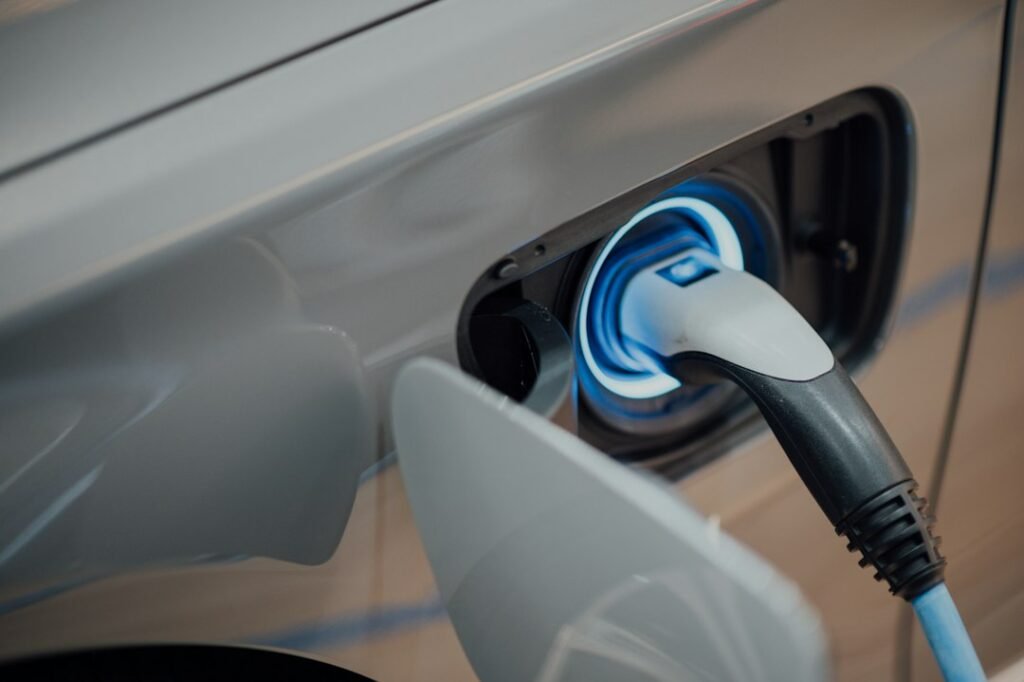
Illustrative photo by CHUTTERSNAP on Unsplash.