Starship Flight 15 Catch: What SpaceX Brought Back From Orbit
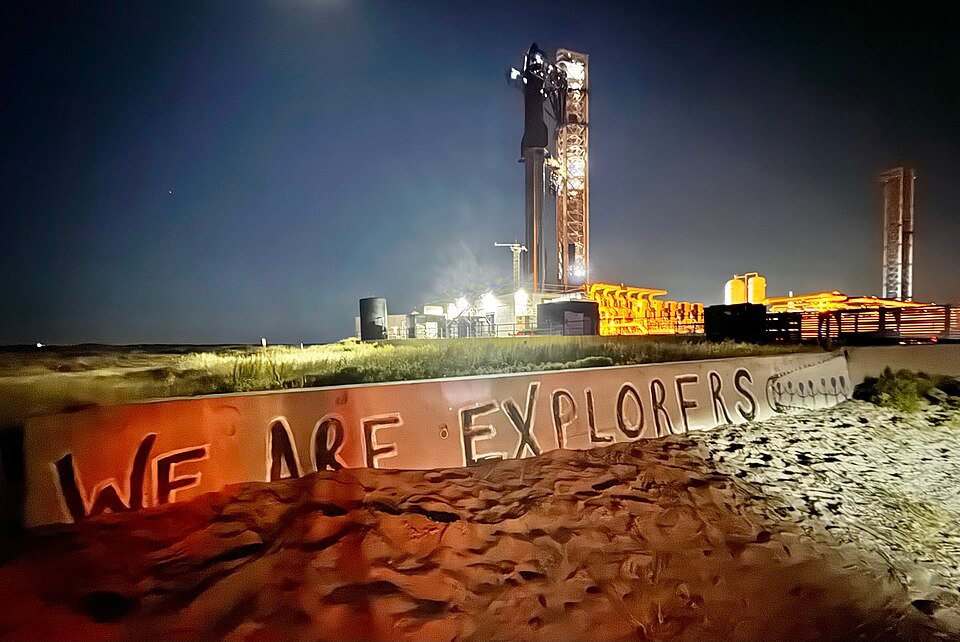
The Starship Flight 15 catch brought a SpaceX upper stage back from orbit to the launch tower at Starbase, Texas, on Saturday, November 14 local time. The Associated Press reported that the tower caught the spacecraft after approximately 22 hours of flight and 14 trips around Earth. The recovery came early on November 15 in India.
The test involved two vehicles with two separate attempts to return. SpaceX had planned to catch the Super Heavy booster shortly after launch and the Starship upper stage the following day. The booster diverted offshore during its return, while the upper stage continued the orbital mission. The SpaceX mission plan describes the objectives, and the Associated Press account of the return describes what happened.
What the Starship Flight 15 catch recovered
Super Heavy is the lower stage that supplies the initial lift. Starship is the upper stage that separates and continues toward orbit. SpaceX had already used tower arms to catch earlier boosters. This time the new result came from catching the upper stage after it had travelled around Earth and come back through the atmosphere.
The distinction matters when reading a report that refers simply to a rocket catch. A booster can turn back within minutes, after handing the mission over to the upper stage. A ship returning from orbit has to lose speed to re-enter, survive the heating from its passage through the atmosphere, and reach the tower with the right position and speed for the arms to take its weight. The two vehicles face different problems on the way home.
Why the ship spent so long in orbit
SpaceX’s design called for approximately 14 orbits at an altitude of around 275 kilometres. Its published timeline placed the deorbit burn more than 21 hours after launch. That burn changes the orbit so that the vehicle enters the atmosphere on the planned path. The mission design included other points where the spacecraft could divert toward the ocean, depending on what teams learned about its condition during the flight.
Read SpaceX’s timeline as a plan with milestones, including the orbital insertion burn, payload deployment, return checks and final approach. The timing in the plan helps explain the order of operations. The outcome of a test can change within minutes, as the booster return showed. The results of those milestones come from the flight coverage and the subsequent reports.
The return timing also explains why reports use two dates. The ship was caught on Saturday afternoon in the United States, after launching on Friday evening by Eastern time. In India, both events fell after midnight in their respective local date conversions. For a replay, look for the final approach near the end of the mission webcast.
What the test says about reuse
A tower recovery delivers the upper stage back to the launch site. For a vehicle intended to fly again, that is an important step because engineers can inspect the hardware after both re-entry and recovery. Some of the most useful evidence comes after the arms close. The condition of the heat shield, engines and structure will shape what crews need to do before another flight.
The next milestones are repeatability and turnaround. Recovering an upper stage once proves the sequence can work on a test flight. Future flights can show whether it works with different payloads or return conditions and how much maintenance it takes in practice. Capturing both stages after the same launch remains a separate objective. Flight 15 gave SpaceX an upper-stage recovery to study and a booster return to investigate.
For more reporting on new technology and the practical differences between a demonstration and a wider rollout, see Bootpoot’s Tech News coverage.
Archive photo from Flight 5 by Steve Jurvetson, CC BY 2.0. Resized.